Featured portrait
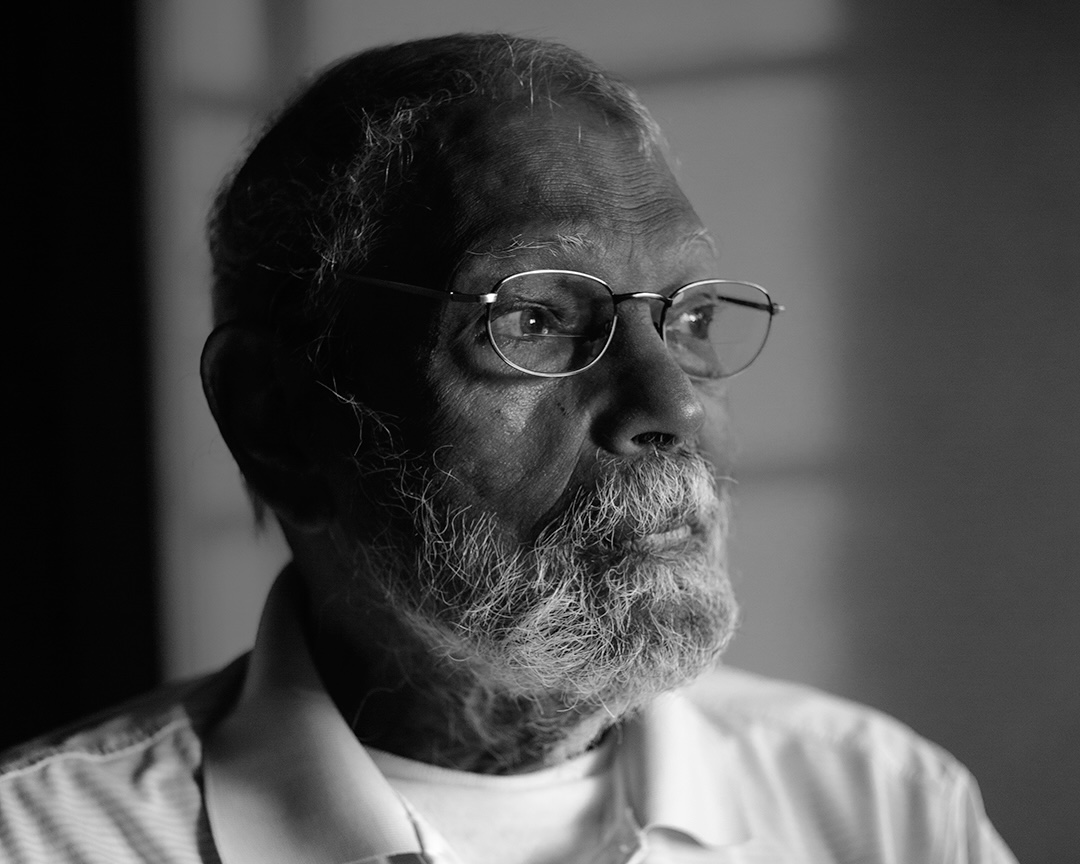
The Sportsman
Nagalingam Ethirveerasingam
Nagalingam Ethirveerasingam’s life intersects with both international sport and Sri Lanka’s tumultuous political history. In 1958, on the day he won the country’s first Asian Games gold medal in Tokyo, communal violence was unfolding in Colombo. Representing Ceylon at the Olympic Games in Helsinki (1952) and Melbourne (1956), he secured his place in the island’s athletic record while events at home marked a different trajectory.
Interview language: English
More portraits from the archive
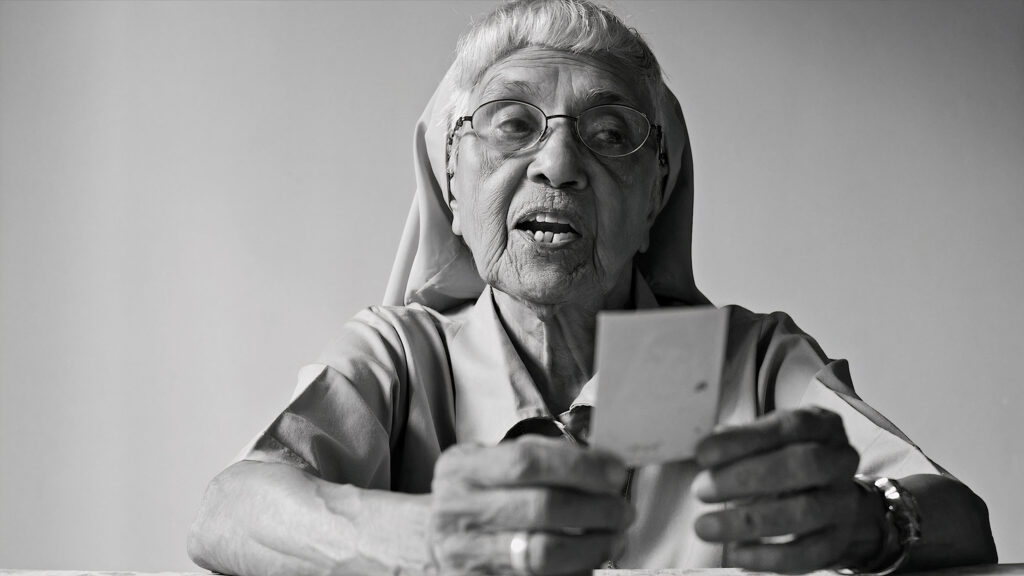
With Sri Lankan, Portuguese and French roots, Sister Irene Bartelöt has long been part of the layered social fabric of Batticaloa. She recalls a time when people did not ask about ethnicity or nationality, when, as she puts it, people “just mixed up.” That memory remains central to how she understands the town and its history.
Interview language: English
The Dove Keeper
Mohammed Yassin
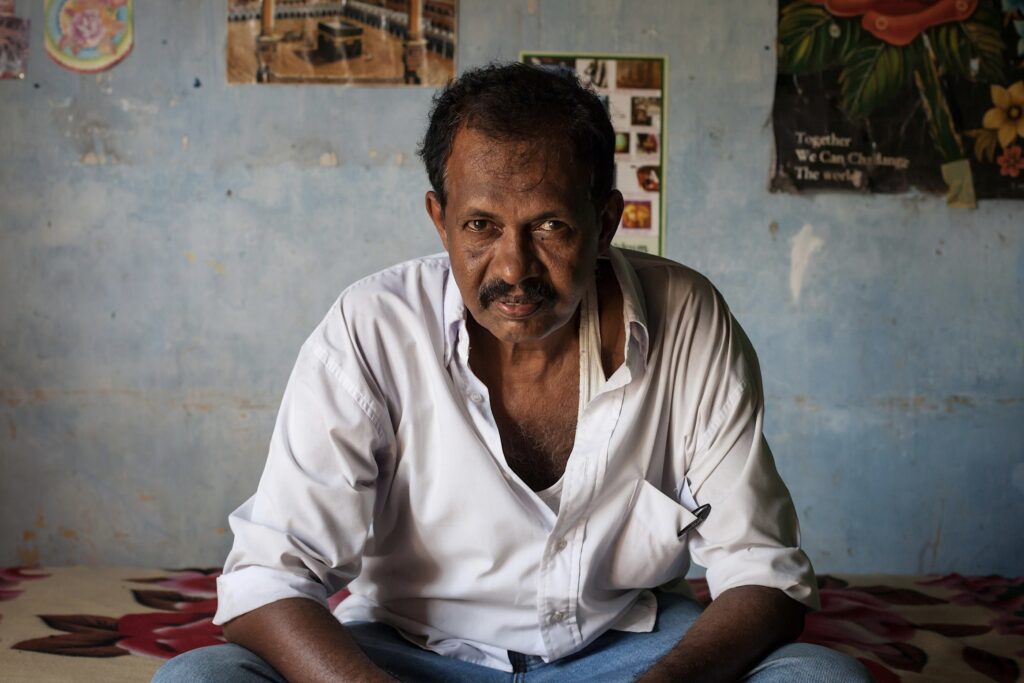
Mohammed Yassin and his family were among the more than five thousand Muslim families expelled from the Jaffna peninsula by the Tamil Tigers in 1990. He recalls the day they were ordered to leave, the hurried journey south and the uncertainty that followed.
Interview language: English
The Nice Burgher Girl
Jean Arasanayagam
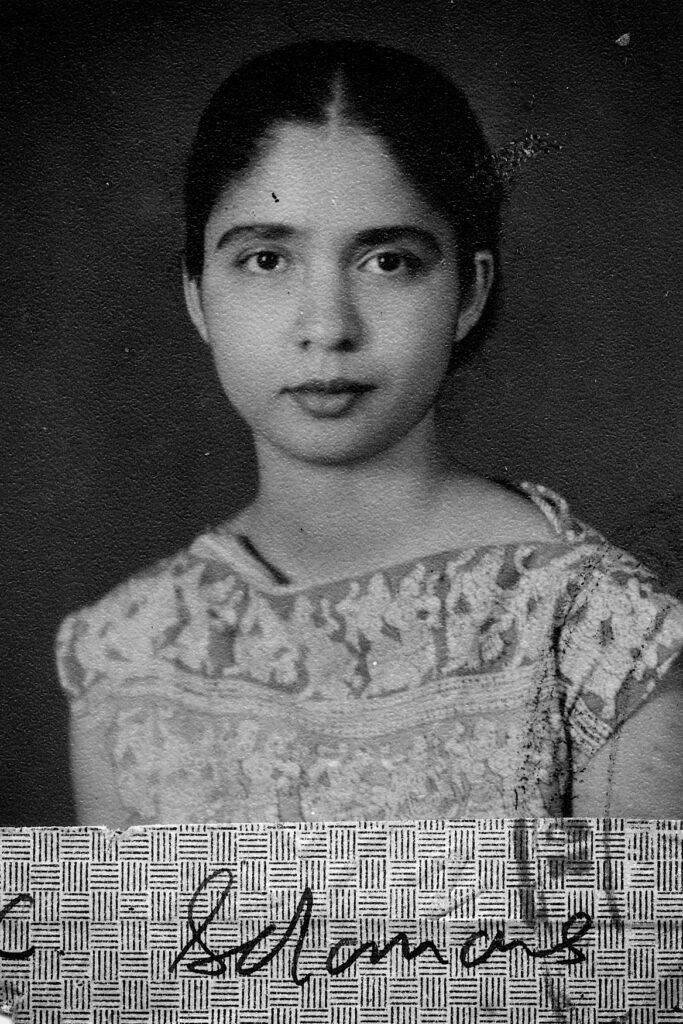
Writer Jean Arasanayagam speaks about growing up in a cosmopolitan Burgher household, the convivial social world that shaped her early life. Married to a Jaffna Tamil, she reflects on the layered histories, friendships and tensions that have shaped Sri Lanka’s communities. Later, the violence of 1983 became the “the watershed” moment in her life, and altered her sense of identity.
Interview language: English
The Nephew
Parakrama Dahanayake
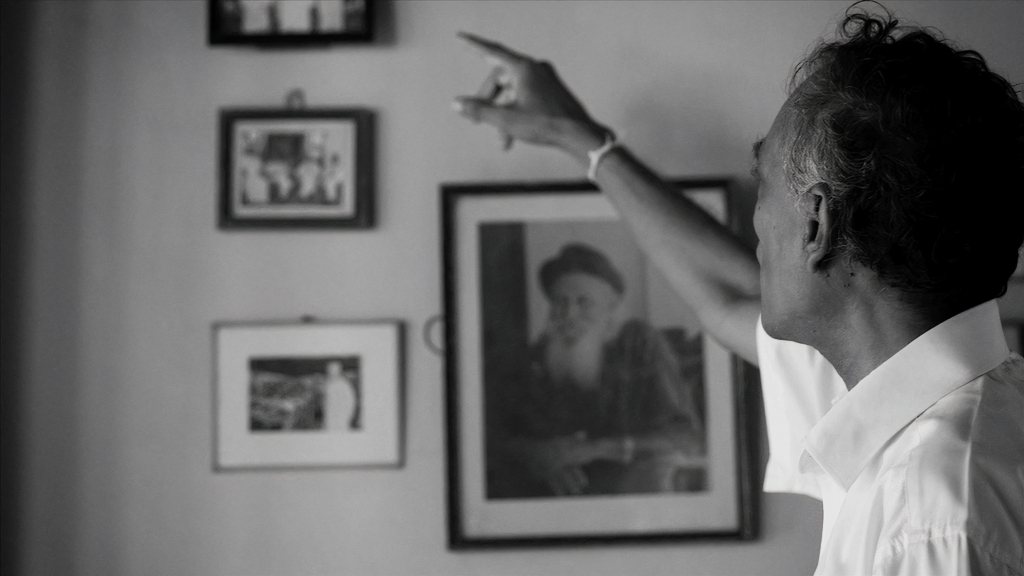
Parakrama Dahanayake reflects on growing up in the political shadow of his uncle, former Prime Minister Wijeyananda Dahanayake. Having served for years as his uncle’s private secretary, he recalls a life shaped by politics and explains why he eventually decided to enter public life himself.
Interview language: English
About the I Am project
The I Am project began in 2010, in the aftermath of war, with a question: was there a time when people did not speak first in ethnic terms?
Through portraits and recorded testimony, elders across Sri Lanka speak in many registers — of place and labour, class and caste, faith, kinship and loss.
Taken together, these voices form an archive of lived experience, revealing how identity is constructed, constrained and contested over time.